 Français
 English
 Deutsch
 Русский
 Español
 Português
 عربي
عربي 日语
日语 한국인
한국인 Melayu
 Tiếng Việt
 Indonesia
 বাংলা
বাংলা 中文
中文
qu'est-ce que tu cherches
?
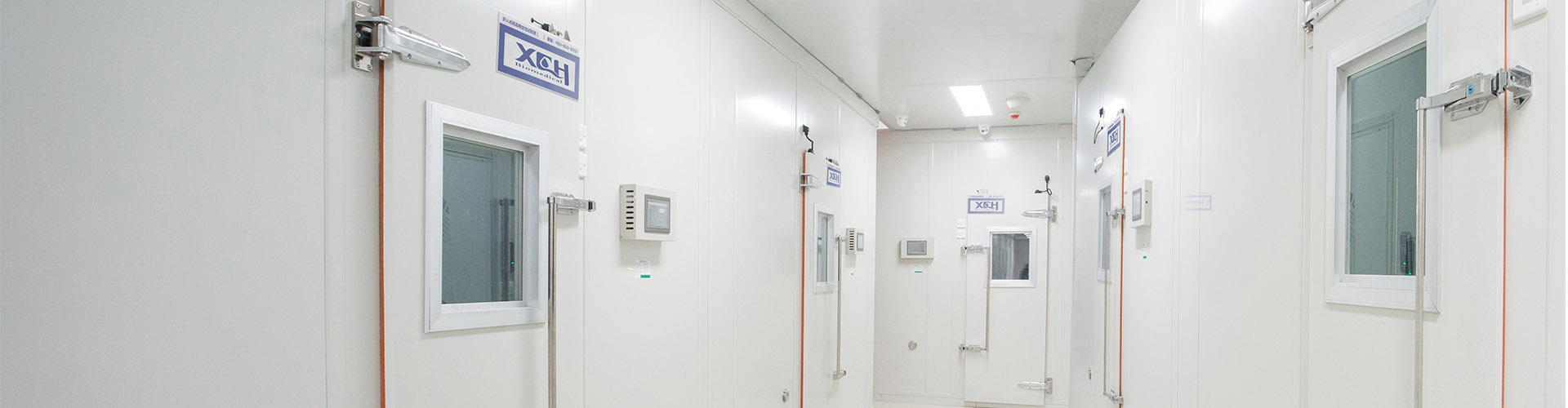
Comme le chambre d'essai de batterie Le marché étant en pleine expansion, le choix du bon équipement de test est devenu crucial pour les fabricants des secteurs des véhicules électriques, du stockage d'énergie et de l'électronique grand public. Face à la sophistication croissante des batteries et au durcissement des exigences réglementaires, un mauvais choix d'enceinte de test peut engendrer des retards coûteux, des incidents de sécurité ou des échecs de certification.
Ce guide complet vous explique tout ce que vous devez savoir sur chambres d'essai de batteries, des concepts de base aux critères de sélection avancés, pour vous aider à réaliser un investissement éclairé pour votre centre d'essais.
A chambre d'essai de batterie Il s'agit d'une chambre environnementale spécialisée conçue pour simuler des conditions extrêmes de température, d'humidité et de pression afin de tester les batteries tout au long de leur cycle de vie. Ces chambres garantissent la sécurité, les performances et la durabilité des batteries en conditions réelles d'utilisation.
À propos de XCH Biomedical : Spécialisée dans les équipements de contrôle de la température et de l'humidité, la société XCH Biomedical fournit à l'industrie mondiale des tests de batteries des solutions d'enceintes fiables et économiques. Son expertise en matière de simulation environnementale en fait un partenaire de confiance pour les laboratoires et les fabricants du monde entier.
Contrairement aux chambres environnementales standard, les chambres d'essai de batteries doivent relever des défis uniques :
Les conséquences d'une panne de batterie peuvent être graves :
Les batteries des véhicules électriques sont soumises à des tests rigoureux afin de garantir leur sécurité et leurs performances :
Le stockage par batteries à l'échelle du réseau nécessite des protocoles de test différents :
Batteries lithium-ion dans les téléphones, les ordinateurs portables et les tablettes :
Différentes applications de batteries nécessitent différentes plages de température :
| Type de batterie | Plage de température | Tests typiques |
|---|---|---|
| Li-ion (grand public) | -20°C à +85°C | UN 38.3, IEC 62133 |
| batteries pour véhicules électriques | -40°C à +85°C | ISO 6469, UN 100 |
| ESS (stockage sur réseau) | -30°C à +60°C | CEI 62619 |
| Environnement extrême | -70°C à +150°C | Militaire/aérospatial |
Conseil de pro : Choisissez une chambre dont la plage de température est au moins 20 % plus large que vos exigences maximales afin de tenir compte des réactions exothermiques pendant les tests.
L'uniformité de la température est essentielle pour des tests de batterie précis :
Les tests de batteries comportent des risques inhérents. Votre chambre d'essai doit comprendre :
| Fonctionnalité | But |
|---|---|
| Conception antidéflagrante | Contient des événements d'emballement thermique |
| Système d'évacuation des gaz | Élimine les gaz inflammables en toute sécurité |
| Extinction des incendies | système d'extinction automatique |
| soupapes de décharge de pression | Prévient les dommages à la chambre |
| détecteurs de fumée | Système d'alerte précoce |
La norme UN 38.3 est obligatoire pour l'expédition de batteries au lithium dans le monde entier. Les tests comprennent :
Norme internationale pour les tests de performance et de sécurité des cellules Li-ion destinées aux applications pour véhicules électriques.
Couvre les exigences de sécurité des véhicules électriques, y compris la protection des batteries.
Normes américaines de sécurité des batteries domestiques et commerciales.
Idéal pour : les tests de routine et la conformité à la norme UN 38.3
Idéal pour : cycles de température rapides, tests de résistance
Idéal pour : les batteries de grande capacité, les tests complets de véhicules
Idéal pour : les tests de maltraitance, les études sur l'emballement thermique
Avant d'acheter, vérifiez ces exigences essentielles :
| Type de chambre | Gamme de prix | Idéal pour |
|---|---|---|
| plan de travail | 5 000 à 12 000 $ | Tests cellulaires |
| Modèle standard | 8 000 à 25 000 $ | Tests de modules |
| choc thermique | 25 000 à 60 000 $ | Tests de résistance |
| Entrée libre | 40 000 $ - 150 000 $ | Tests de pack/système |
| Antidéflagrant | 30 000 $ - 100 000 $ | Tests d'abus |
| Marque | Gamme de prix | Spécialité |
|---|---|---|
| XCH Biomédical | 8 000 $ - 40 000 $ | Un soutien mondial rentable |
| Thermotron | 15 000 $ - 80 000 $ | qualité industrielle |
| CSZ | 20 000 $ - 90 000 $ | expertise en matière de chocs thermiques |
| Liant | 25 000 $ - 100 000 $ | Tests de précision |
Choisir le bon chambre d'essai de batterie Il s'agit d'une décision cruciale qui influe sur la sécurité des produits, les délais de mise sur le marché et le coût global des tests. Points clés :
En suivant ce guide et en utilisant la liste de contrôle, vous serez en mesure de sélectionner une chambre d'essai de batteries qui fournira des résultats fiables pour les années à venir.
Besoin d'aide pour choisir ? Contactez l'équipe technique de XCH Biomedical pour obtenir des recommandations personnalisées en fonction de vos besoins spécifiques en matière de tests de batteries.





 IPv6 RÉSEAU PRIS EN CHARGE